How to Find a Counsellor in the UK: NHS and Private Routes
How to find a counsellor in the UK: NHS Talking Therapies and self-referral, private counselling costs, low-cost options and checking registration.

Online and face-to-face counselling compared: effectiveness, privacy, convenience and cost, plus how to get the most from video, phone or text sessions.
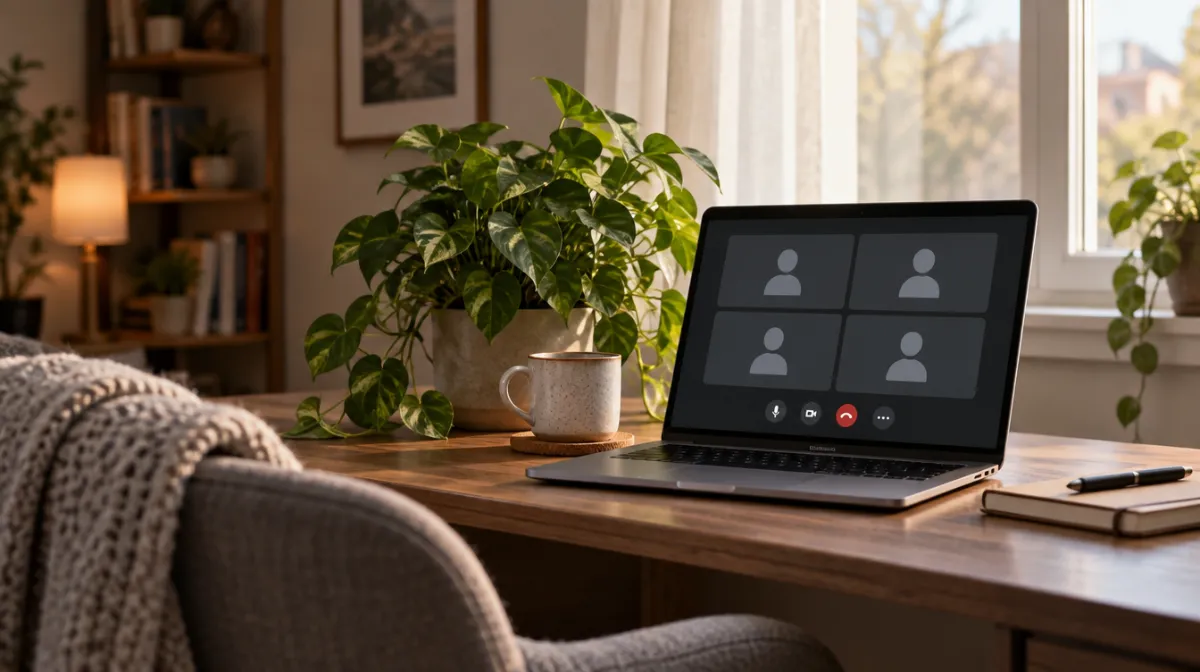
Counselling no longer has to happen in a therapist’s room. Video, phone and even text-based sessions are now common. Both formats work; the right choice depends on your needs, your space and what helps you open up.
| Online | Face-to-face | |
|---|---|---|
| Convenience | High: no travel | Requires travel |
| Choice of counsellor | Wider: not limited by location | Local options only |
| Privacy | Needs a private space at home | Private room provided |
| Connection | Works well for many; some find it harder | Body language and presence can feel richer |
| Cost | Sometimes lower | Varies |
| Best for | Busy schedules, rural areas, mobility issues | Complex needs, people who want separation from home |
Research suggests online therapy can be effective for common difficulties such as anxiety and depression. The relationship with your counsellor matters more than the format, so focus on finding someone you trust.
Check registration with an accredited body such as BACP, UKCP or NCPS, just as you would for face-to-face counselling. If you use an app or platform that matches you with a counsellor, find out who you’ll actually be talking to and check their registration. An AI chatbot can be a place to jot down thoughts, but it isn’t a trained counsellor and can’t help in a crisis.
If home isn’t private or safe, if you’re in crisis, or if you find it hard to connect through a screen, face-to-face may suit you better. If you’re living with someone who hurts or controls you, a counsellor can help you plan how to get support safely.
Many counsellors offer both formats. Some people start in person to build trust, then switch to video when life gets busy, or use phone sessions while travelling.
For costs, see how much counselling costs in the UK; to start your search, read how to find a counsellor.
Reputable counsellors use secure platforms and follow the same confidentiality rules. Ask how they protect your data.
Sometimes, but not always. Compare fees and what’s included.
Many counsellors offer both. Ask whether you can mix formats.

Every article is edited by a human and checked against our editorial policy. Spotted a mistake? Tell us.
How to find a counsellor in the UK: NHS Talking Therapies and self-referral, private counselling costs, low-cost options and checking registration.
Nervous about your first counselling session? What usually happens, the questions you may be asked, confidentiality and how to make it work for you.
What counselling costs in the UK: typical private fees, free NHS talking therapies, low-cost and sliding-scale options, workplace schemes and questions to ask.